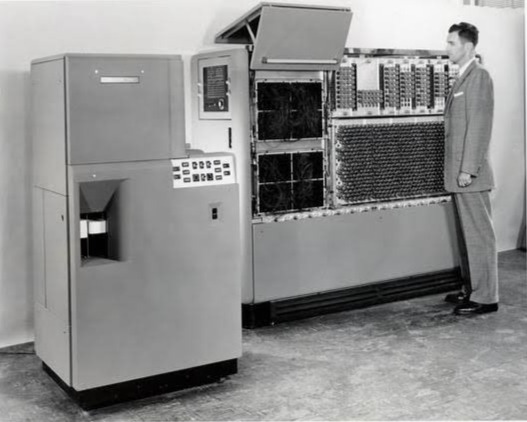
1957: Arrival of the UNIVAC 120
In this year, Brazil received its first large-scale computing machine. Installed in the São Paulo City Hall, it processed data such as taxes and payments using punched paper cards.
Learn More
In this year, Brazil received its first large-scale computing machine. Installed in the São Paulo City Hall, it processed data such as taxes and payments using punched paper cards.
Learn More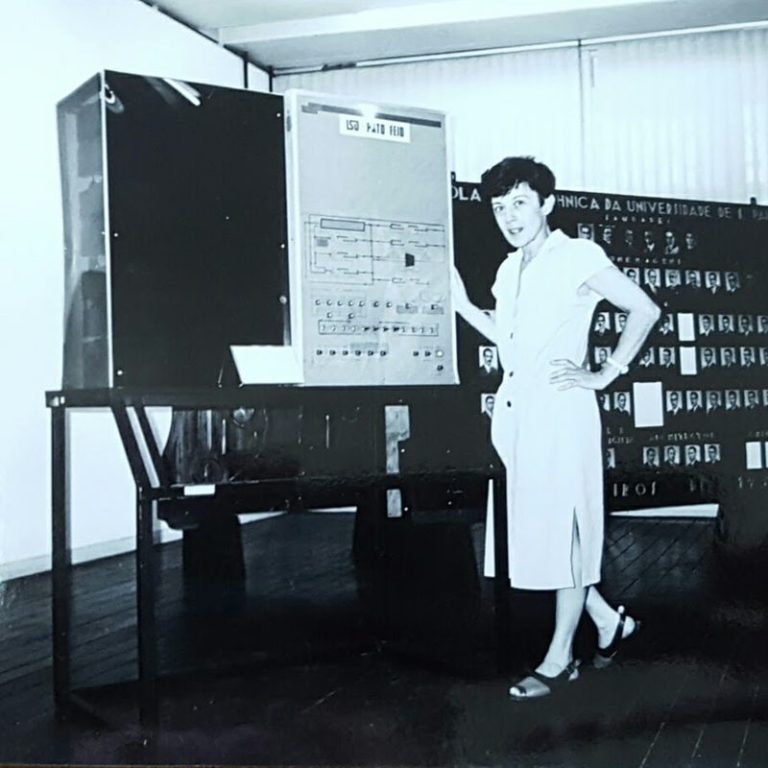
Engineers from USP developed the first computer 100% designed in Brazil. It was nicknamed "Patinho Feio" (Ugly Duckling) because it was a simple national project, but it proved the country's technical knowledge, giving confidence to create its own industry.
Learn More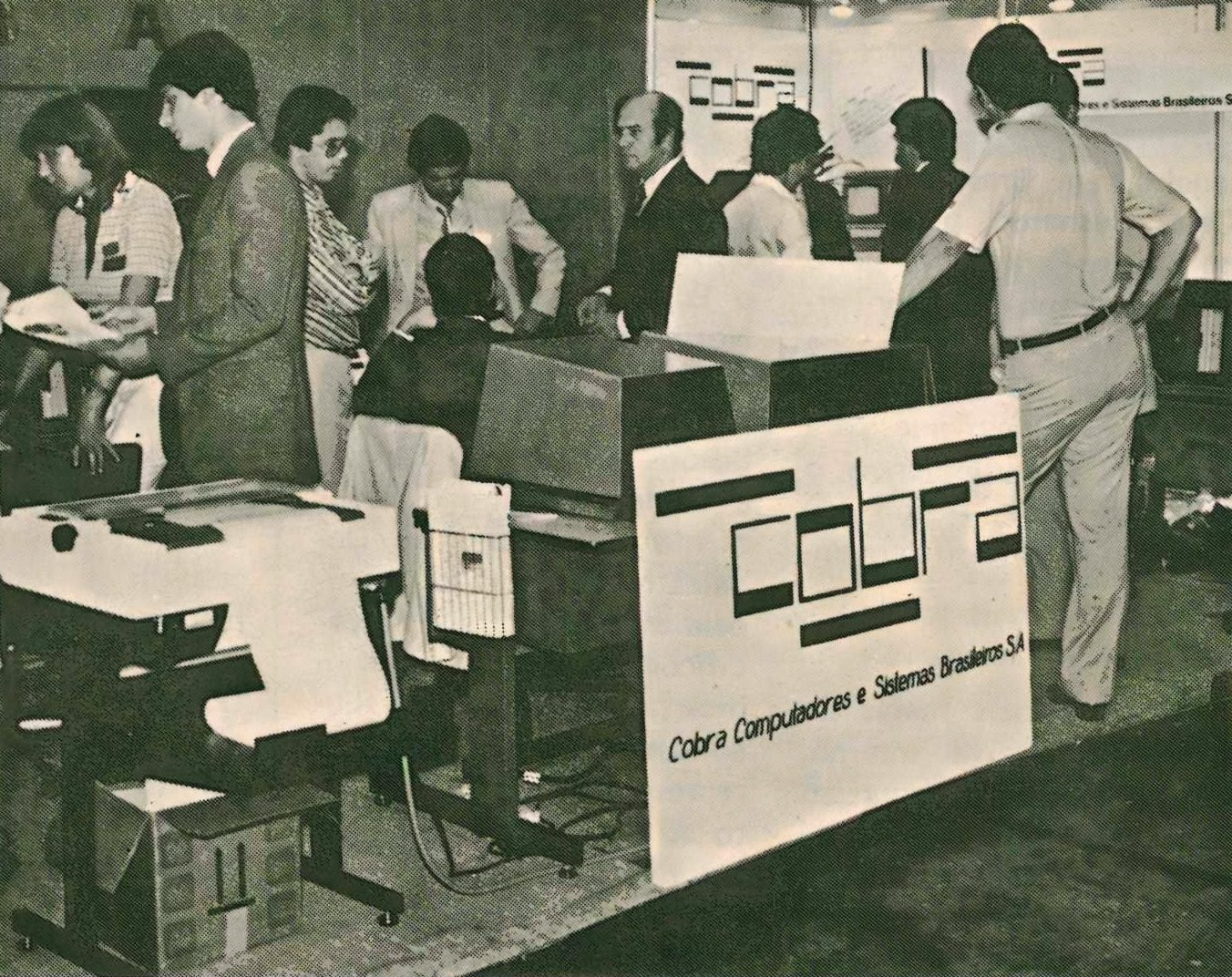
The government founded Computadores e Sistemas Brasileiros S.A. (COBRA). It was the first state-owned company focused on manufacturing computers, turning university projects into products to reduce dependence on foreign machines.
Learn More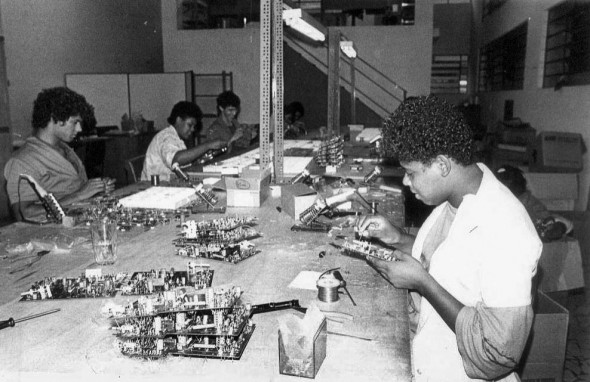
The government established a law that banned the import of most computers. This protection aimed to help national companies grow without competition and encourage the development of local technology.
Learn More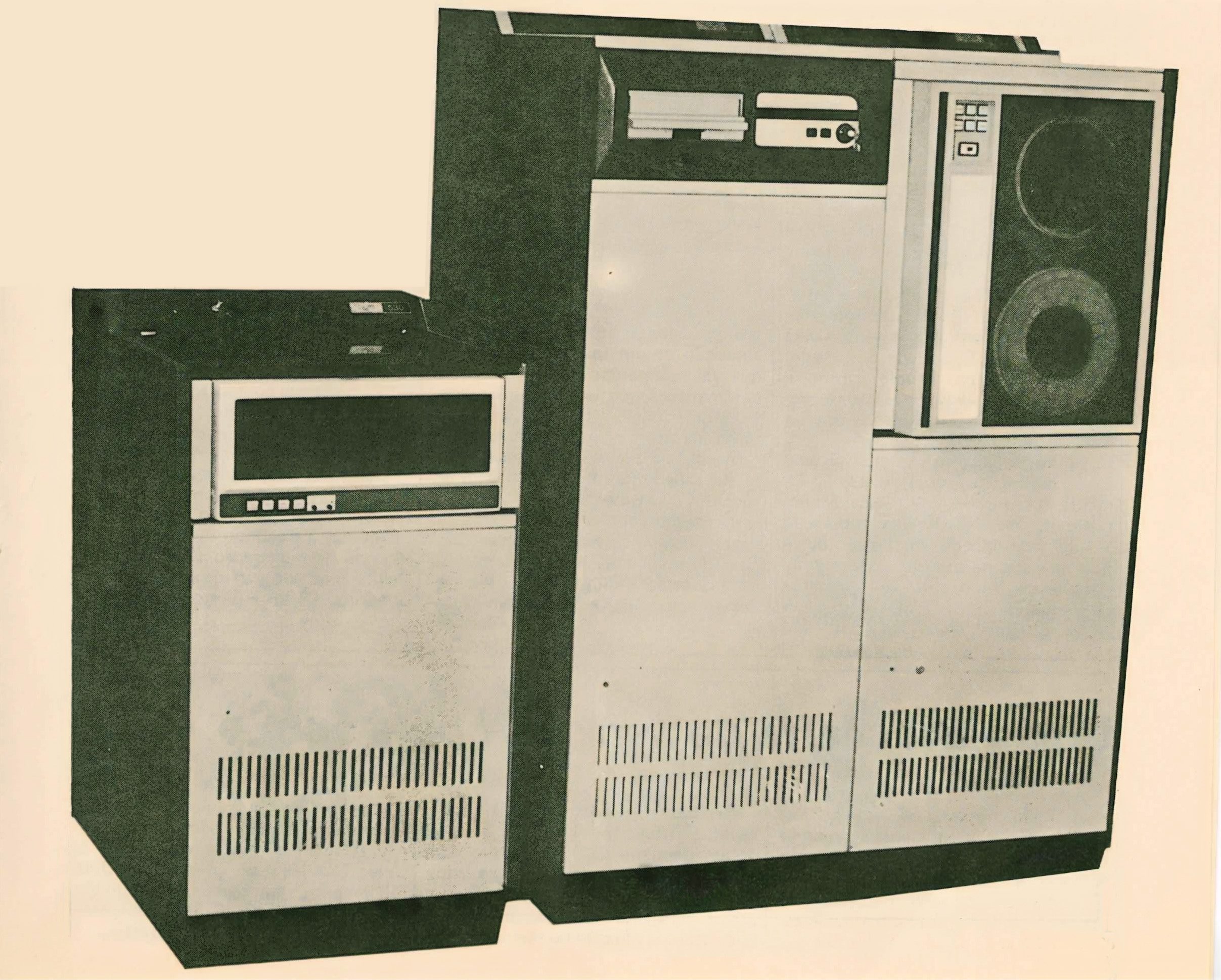
The state-owned COBRA presented its first major commercial success. It was a minicomputer that, at the time, was the size of a refrigerator and functioned as a central machine for companies, banks, and universities.
Learn More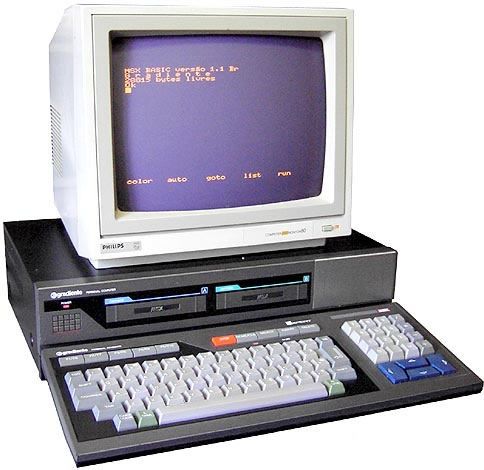
During this decade, the import ban generated a phenomenon of national copies. Brazilian companies learned how famous machines worked and created their own local versions.
Learn More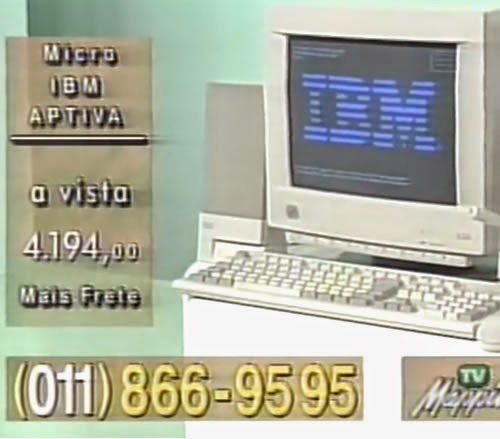
President Fernando Collor ended the protectionist policy, as Brazil was falling technologically behind. Imports were liberalized, allowing the entry of modern, better, and cheaper computers.
Learn More